

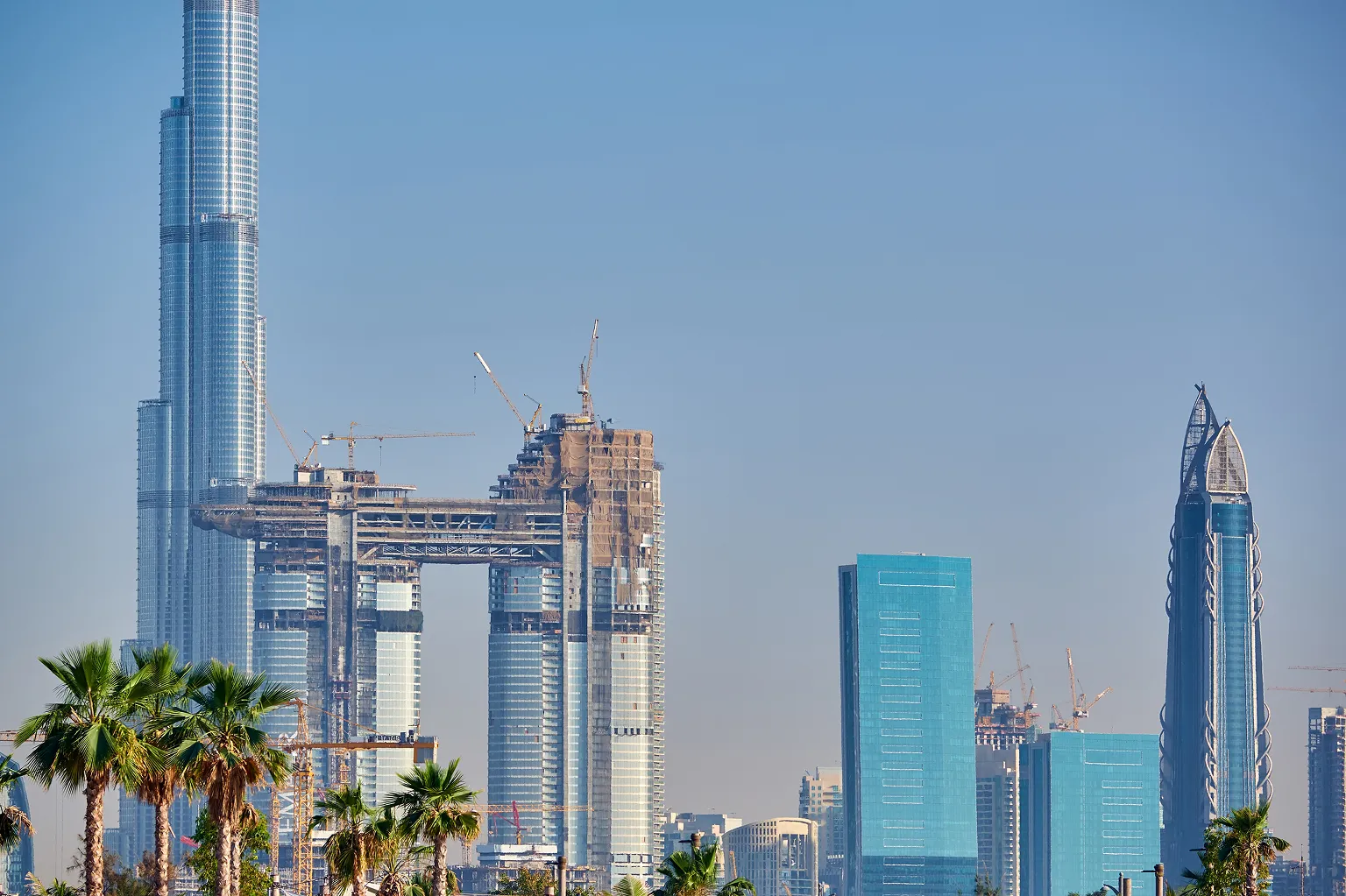
Global economic uncertainties, driven by the new tariff policies introduced by U.S. President Donald Trump, have sparked expectations of increased foreign investment, particularly from India, China, and Europe, into Dubai’s real estate sector.
Dubai-based firm W Capital anticipates that as trade-war impacts persist and global economic outlooks remain unclear, investors will increasingly seek safe-haven assets. Dubai is expected to remain a prime regional and global real estate investment destination under these conditions.
W Capital affirmed that Dubai’s real estate sector maintains its position as a safe and stable investment choice during times of global economic stress, highlighting property as a reliable long-term asset and offering protection against inflation and market volatility.
Walid Al Zarooni, CEO of W Capital, stated that Dubai’s real estate market has demonstrated remarkable resilience over the past decade, notably since the COVID-19 pandemic. Foreign capital inflows have risen significantly, with India, China, and Europe leading the trend as investors from these regions seek to diversify their portfolios and mitigate political and economic risks in their home countries.
Al Zarooni emphasized that the escalating global trade war initiated by President Trump’s comprehensive tariffs on imports to the United States, based on reciprocal treatment, has pushed investors worldwide to reconsider their investment choices. This trade tension has negatively impacted stock markets and global supply chains, prompting a shift toward safer, more stable investment alternatives to protect capital.
He continued: “The massive volume of real estate purchases in the first three months of this year underscores Dubai’s position as a haven for investors. According to Dubai Land Department data for Q1 2025, the total sales value exceeded AED 141 billion, marking the third-highest quarterly value in market history, a 30% increase compared to AED 108.5 billion during the same period last year, demonstrating robust investor confidence in Dubai’s property sector.”
Al Zarooni added that Dubai has become an attractive investment haven due to its political stability, economic diversity, and opportunities in real estate, particularly luxury residential and hotel properties. He noted that real estate prices in Dubai are expected to rise amid heightened demand during global conflicts and crises.
He also noted increased demand for land, residential, and commercial units, reflecting investor confidence in Dubai’s rapidly growing real estate market. Real estate investment opportunities cater not only to high-income investors but also to medium- and low-income individuals due to diverse property options and multiple financing opportunities.
Al Zarooni highlighted Dubai’s promising real estate future, supported by government initiatives such as infrastructure development and housing programs, enhancing market stability and attractiveness as one of the best sustainable investment options currently available.
He added: “With rapid growth in Dubai’s tourism and hospitality sectors, hotel real estate emerges as a promising investment choice. Continued economic growth and rising visitor numbers annually enhance the attractiveness of hotel property investments, making it an ideal time to enter this vibrant market.”
Al Zarooni concluded by noting that flexible government policies and residence incentives such as golden visas have bolstered foreign investor confidence, alongside advantages like low taxation and clear regulatory frameworks, positioning Dubai as a secure and profitable destination for investors seeking both safety and returns.