

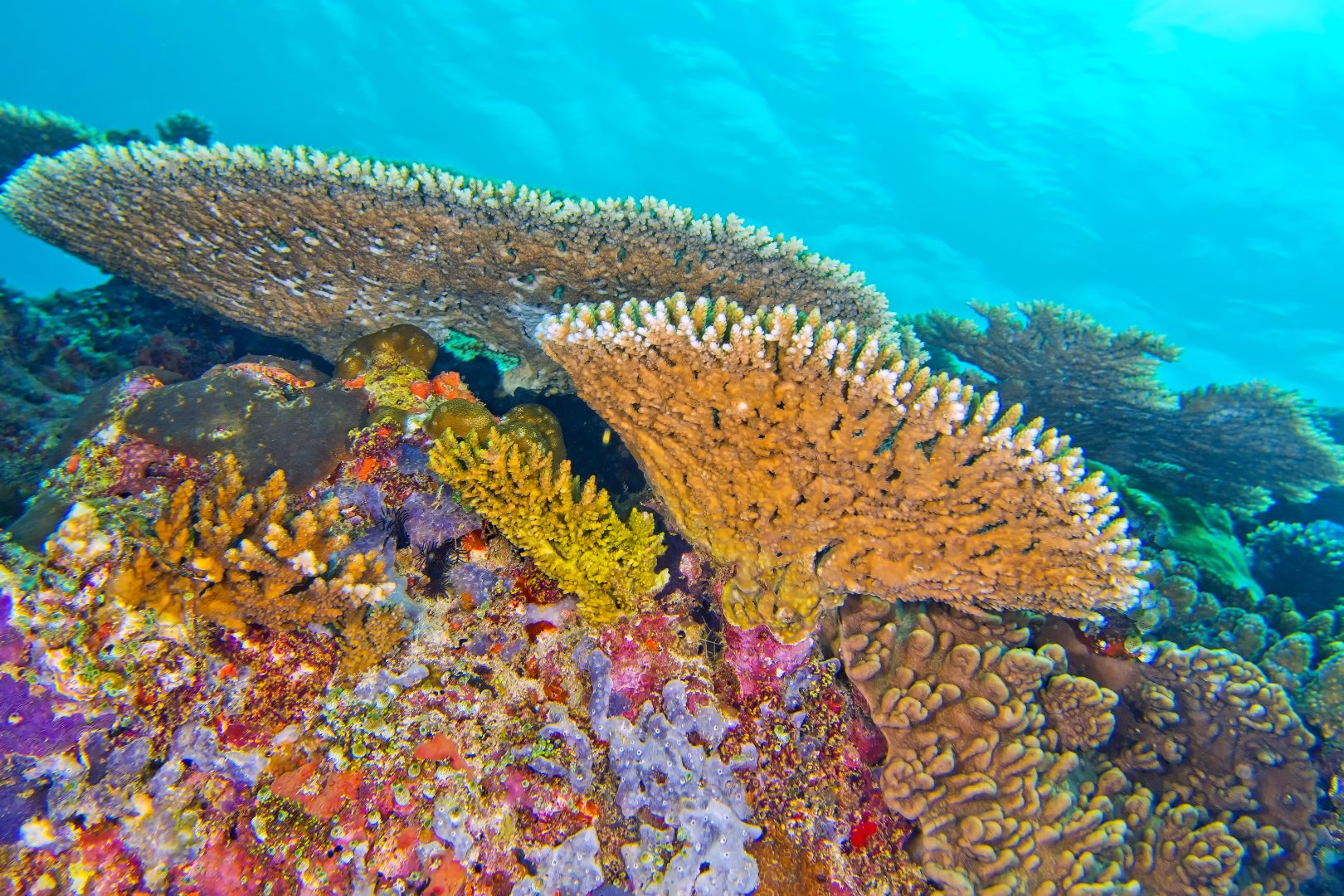
The Environment Agency – Abu Dhabi (EAD) has launched the “Abu Dhabi Coral Reefs Gardens” initiative, under the directives of H.H. Sheikh Hamdan bin Zayed Al Nahyan, Ruler’s Representative in Al Dhafra Region and Chairman of the Agency. The initiative is the largest of its kind in the Middle East and marks a major step in efforts to protect the marine environment and enhance marine biodiversity in the emirate.
Set to be implemented between 2025 and 2030, the initiative aims to create coral reef gardens in Abu Dhabi’s coastal and deep waters by deploying 40,000 artificial reef modules of various shapes and sizes made from environmentally friendly materials, to support the growth and reproduction of marine organisms. These gardens will span an area of 1,200 square kilometers — the equivalent of approximately 200,000 football fields — particularly in areas lacking natural coral reefs or seagrass habitats.
Corals grown in EAD’s marine nurseries — known for their high heat tolerance — will be attached to a number of these reef modules. These structures will serve as a foundation for rebuilding natural marine habitats. The gardens will also act as safe zones for releasing local farmed fish species to support their natural growth and reproduction.
His Highness emphasized that protecting the marine environment is a core pillar of the UAE’s vision for a sustainable future. He stated that the initiative reflects Abu Dhabi’s commitment to nature-based, innovative solutions to rehabilitate marine resources, noting that the project’s success is the result of close collaboration with partners. It is expected to have a tangible impact on shoreline protection, food security, and eco-tourism development.
The Agency’s Secretary General, H.E. Dr. Shaikha Salem Al Dhaheri, noted that the initiative reinforces Abu Dhabi’s leadership in promoting biodiversity and preserving marine ecosystems in alignment with the wise leadership’s sustainability agenda. She explained that the project will improve marine habitats, enhance fish stocks, address climate change challenges, and boost eco-tourism by attracting divers — making it a comprehensive initiative that balances development with environmental conservation.
Experimental studies conducted by EAD confirmed the effectiveness of the artificial reef modules in attracting and sheltering fish, with species growth rates three times higher than in natural coral reefs. The initiative aims to produce over five million kilograms of surface and bottom-dwelling fish annually, contributing to the restoration of fish stocks, supporting recreational fishing, protecting Abu Dhabi’s coasts from climate change impacts, and preserving blue carbon habitats.
The studies included assessments of seven types and designs of modules made from sustainable materials and deployed at 30 marine sites. These efforts position Abu Dhabi as a national and regional leader in artificial reef research and deployment.